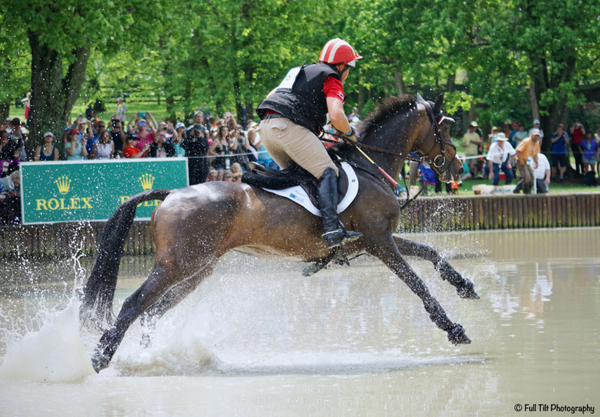
Interval Training For Conditioning the Event Horse
In the sport of Eventing, ensuring that our horses are truly fit for our level of competition is one of the best ways to prevent unnecessary injuries.

In the sport of Eventing, ensuring that our horses are truly fit for our level of competition is one of the best ways to prevent unnecessary injuries.
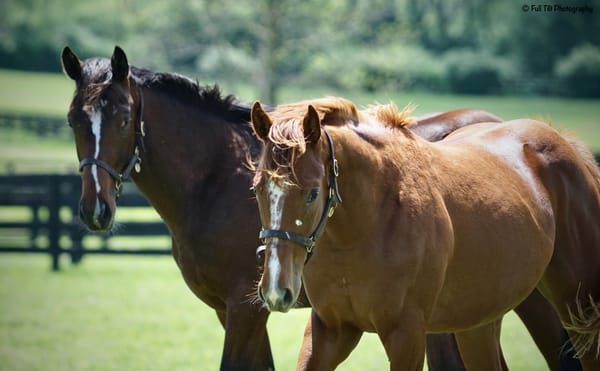
Horses become incapable of learning when they go past a certain level of fear, anxiety, or stress. This means that if you keep hammering away at the horse, trying to teach them something when they are currently overwhelmed with stress, it will not work.
For the horse, the learning happens on the release of the aid. That means if you don't release the aid, the horse will not learn.
"Don't take the tempo down without revving the engine." ~ Chris Bartle
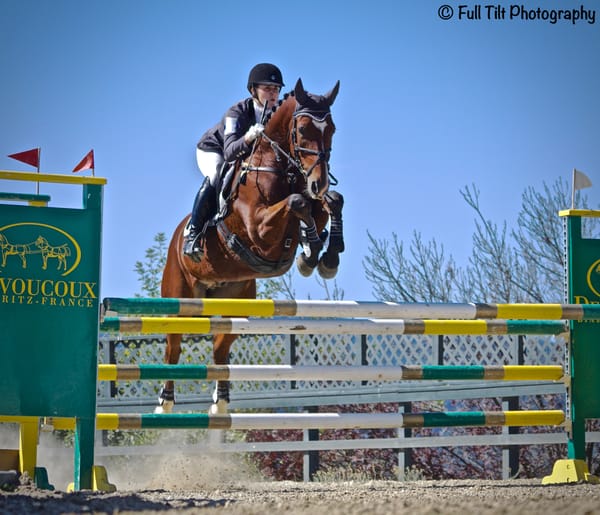
To get the very best out of every horse when show jumping, riders need to really think about the specific way that each individual horse needs and wants to be ridden between the fences. Let me help you to figure out what kind of horse you have!
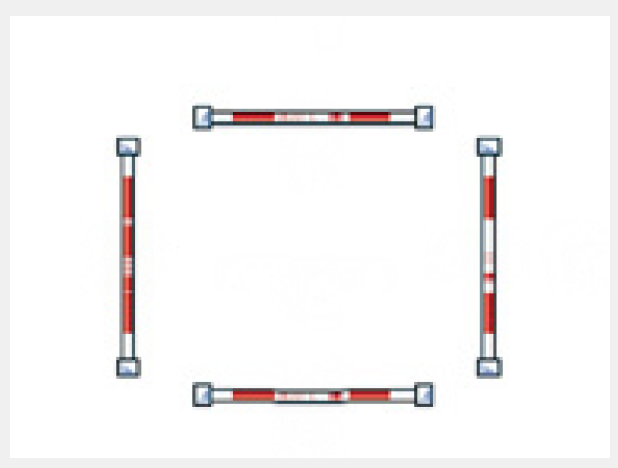
This clever exercise will ensure that your horse is listening precisely to the lightest of your turning aids. It will also teach you how to ride truly accurate figures, and by doing so will naturally improve the balance and carriage of your horse's gaits.
I don't even think about aiming a young or green horse at a jump until I have them 100% in front of my leg on the flat. If you do, and the horse thinks about stopping, you will have no recourse, and will end up teaching him that
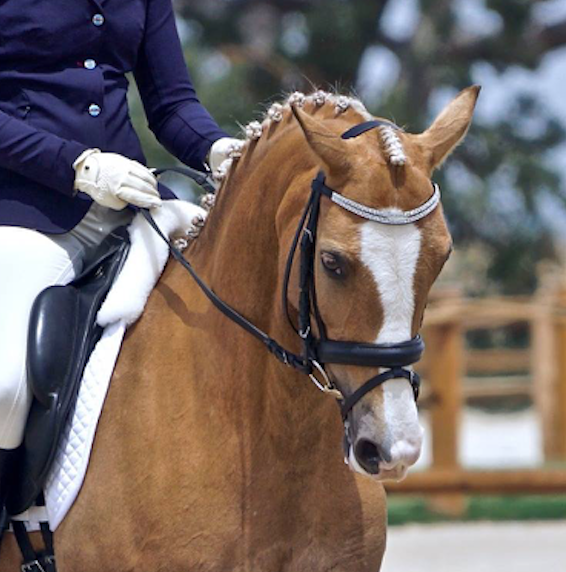
Did you know that there are 3 related but distinctly different ways of controlling your horse's shoulders?? Many riders are in the habit of using only one of these 3 methods. So they continue to struggle to accurately control their horse's shoulders in turns, circles, and lateral work.
From Facebook fan Joan Dunlap ~ "Fix your position first... then the horse will adjust theirs."
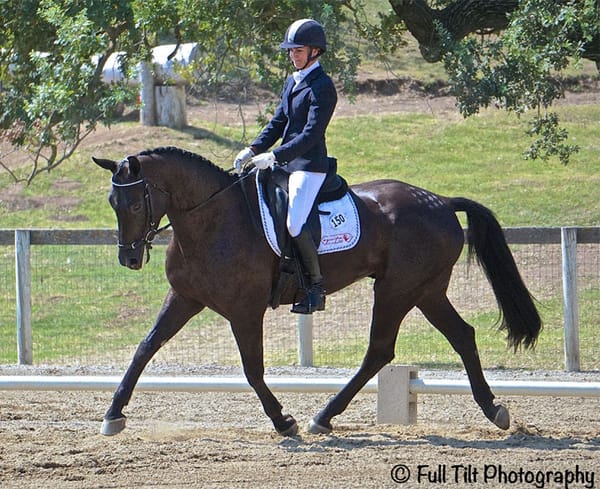
This is a great exercise to break through the tension or stiffness in this area, and improve the level of throughness over your horse's entire topline, and the overall quality of your connection. You will see an improvement in ALL of your scores when your horse moves more through their topline!
Because one hind foot is always in the air while at the trot, it is harder for a horse to refuse a jump from a trot approach vs a canter approach. So it can be a good idea to trot into a spooky fence that you think your horse might
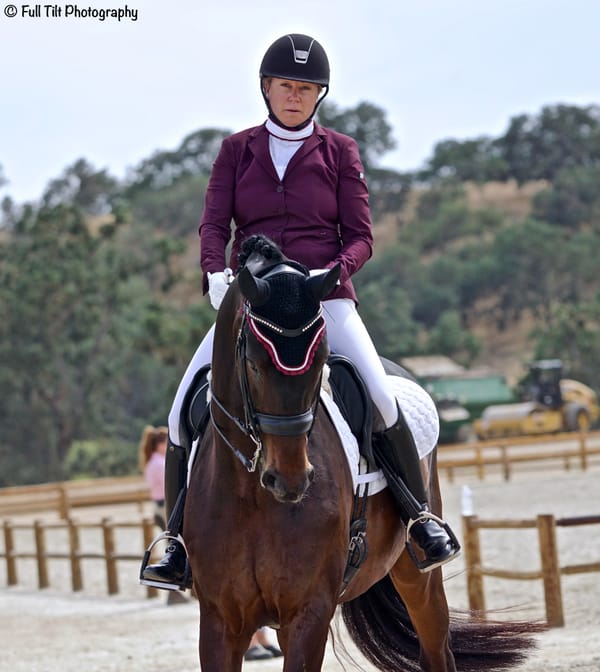
Every single Dressage test requires the rider to change the horse's bend from one side to the other. With some tests having as many as 20 different opportunities to show the judge how good you are at changing your horse's bend. Or maybe how not so good you are at it!
Lesley's Corner
To ride from "front to back" means that the rider is using their hands to artificially shape the horse's head and neck, rather than letting the head and neck position change naturally as the overall carriage of the horse improves with training (ie collection.)
Videos
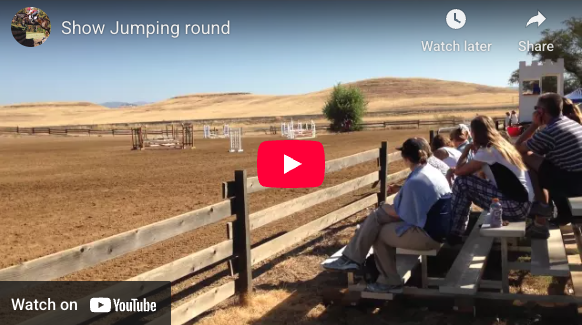
Since I can't see the approach in this video, I can't tell what your approach was like.... But by the time you got to this jump, your horse's canter was looking pretty weak and underpowered.
Videos
It looks like your canter may have been a bit weak coming to your first fence, as your horse jumped it a bit high and weak. But your second and third fences were quite nice! On the turn to fence 4, it looks like your horse may have gotten a little heavy on his right shoulder.
Lesley's Corner
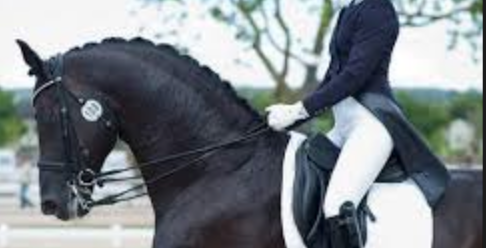
A rider's elbow joint is one of the most important joints in their body... especially so for those of us who ride Dressage! Learn about a very common mistake riders make with their elbows, that causes all sorts of unwanted resistance from their horses!
Lesley's Corner
Let's talk about WHY we ride our horses in the movement known as the free walk.
Lesley's Corner
There are always at least 2 sides to every story. Of course we all know this to be true in life! But how does this concept translate into our riding?? Keep reading to find out!
Lesley's Corner
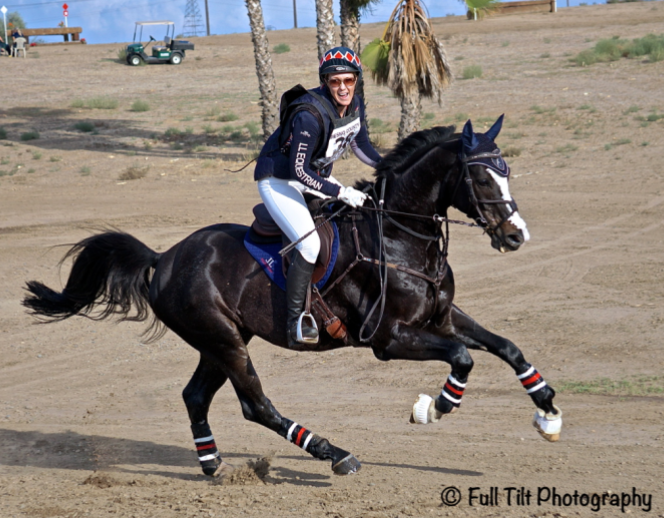
Generally a good, smooth, clean show jumping round happens when you have the right quality of canter, and your horse is rideable and adjustable between fences. Here is an exercise that will show you exactly how much adjustability your horse has!
Videos
Videos
Videos
Lesley's Corner
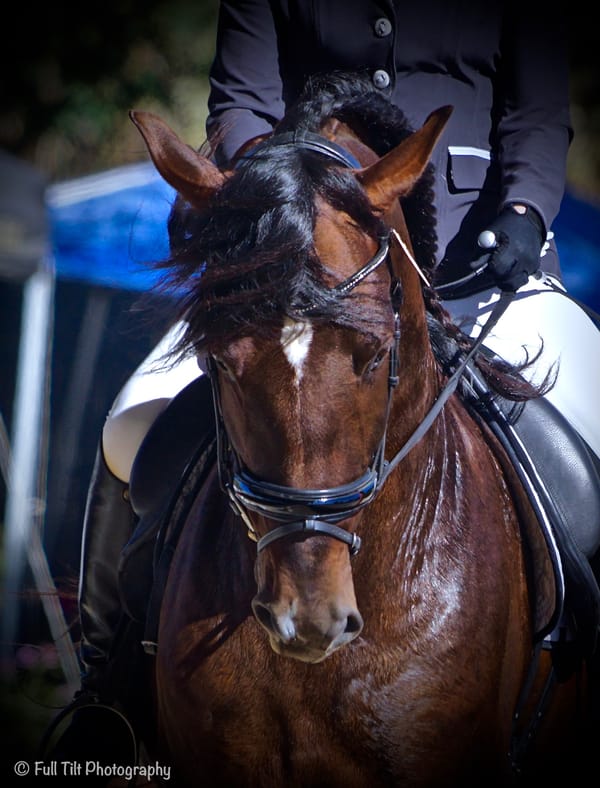
Learn about an exercise called "shoulder yield" (which is really more of a jumper term than a Dressage term), that tests your ability to control your horse's shoulders.
Lesley's Corner
Learn how to lower the VOLUME of your aids, for more harmony in your riding!