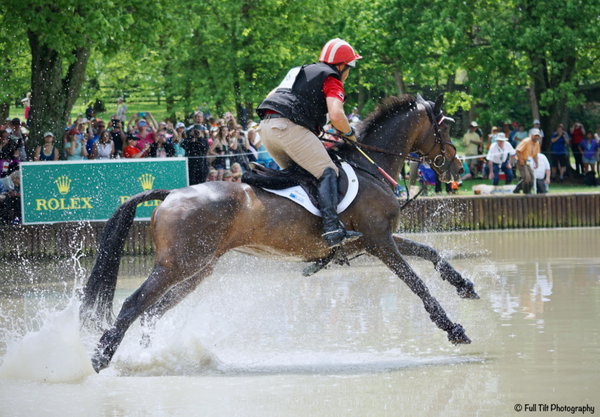
Interval Training For Conditioning the Event Horse
In the sport of Eventing, ensuring that our horses are truly fit for our level of competition is one of the best ways to prevent unnecessary injuries.

In the sport of Eventing, ensuring that our horses are truly fit for our level of competition is one of the best ways to prevent unnecessary injuries.
Control the tone of the voice in your head when you are riding, as if it becomes irritated or harsh, your horse will feel it and become tense. If it becomes timid or uncertain, your horse will feel that and may either become timid and uncertain himself, or he may
"Ride around the corner in an active, short canter, and let your horse do the jumping." ~ Andrew Nicholson
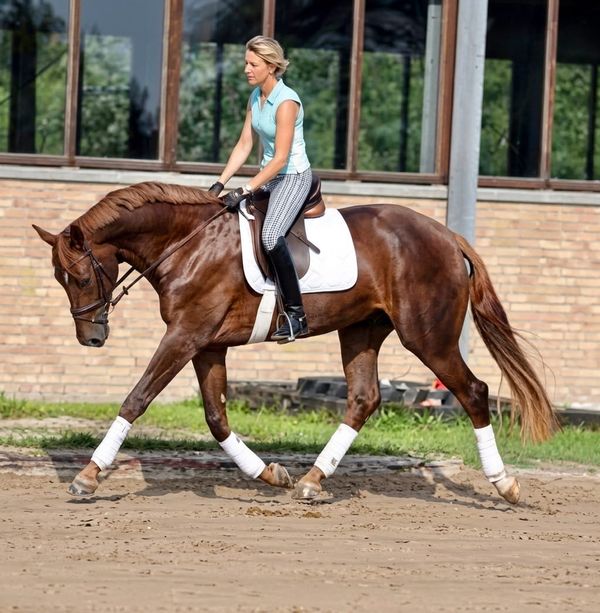
Learn about the ONE very basic exercise that the all of the riders had to do at the USET training sessions down in Ocala, that proved to be very challenging!
"The outside aids are the most underused; the inside, the most overused." ~ Erik Herbermann
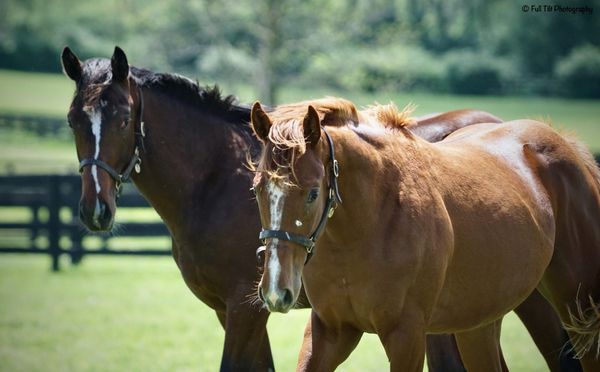
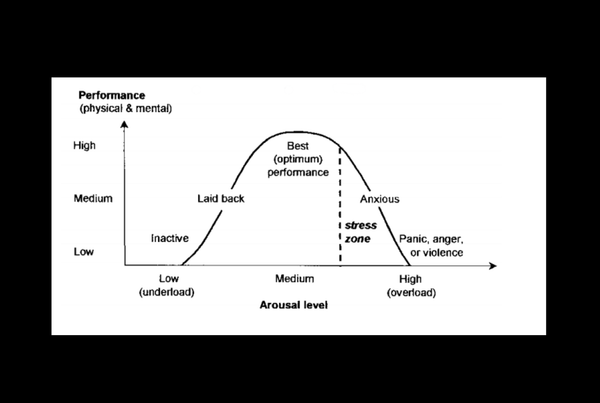
Horses become incapable of learning when they go past a certain level of fear, anxiety, or stress. This means that if you keep hammering away at the horse, trying to teach them something when they are currently overwhelmed with stress, it will not work.
"Our job is to prepare the line and canter, then ride forward to the jump. Riding forward to the jump is NOT accelerating to the jump. There is a difference. When riders got to a longer or shorter distance than ideal, the emphasis should be on the rider staying
"Let us repeat that the two groups of muscles lying on either side of the spinal column which pulsate elastically rather than convulsively must work quite uniformly along a straight line and on a single track. If they do not do so, the horse becomes crooked, with its legs
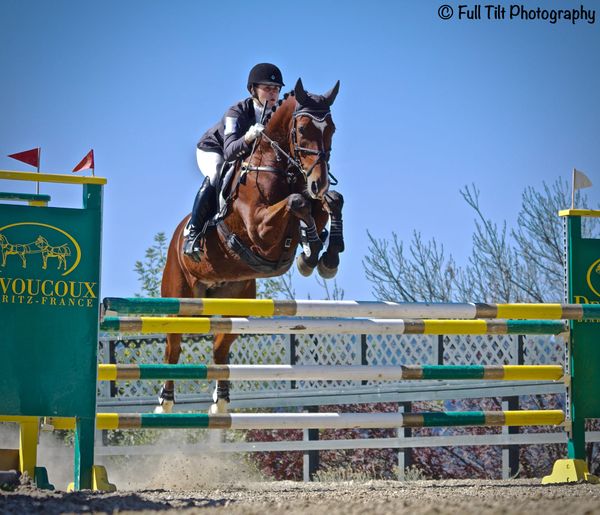
To get the very best out of every horse when show jumping, riders need to really think about the specific way that each individual horse needs and wants to be ridden between the fences. Let me help you to figure out what kind of horse you have!
Nearly every rider will experience plateaus in their training. Only those that have the patience to keep a good attitude while pushing through them will ever get there.
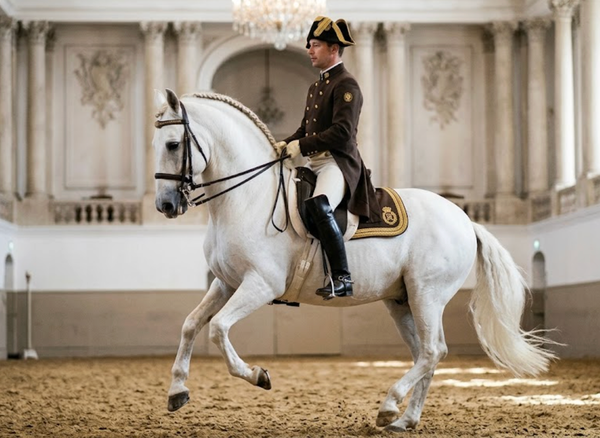
This great exercise, direct from the Spanish Riding School, will increase the collection in your horse's canter. It will also improve your counter canter work, and is a great way to build towards canter pirouettes. Get ready for better scores in your horse's canter work!
A horse has to be straight to have true impulsion. Any stored energy leaks out where the body is crooked, changing the energy in the stride from impulsion to merely forward momentum.
Lesley's Corner
Lesley's Corner
We riders spend a lot of time working on making our horses more ambidextrous. But what about ourselves? How can we ride our horses straight if our own bodies are one sided? It will definitely be much easier for them if we make an attempt to be more even and ambidextrous. Learn how here!
Lesley's Corner
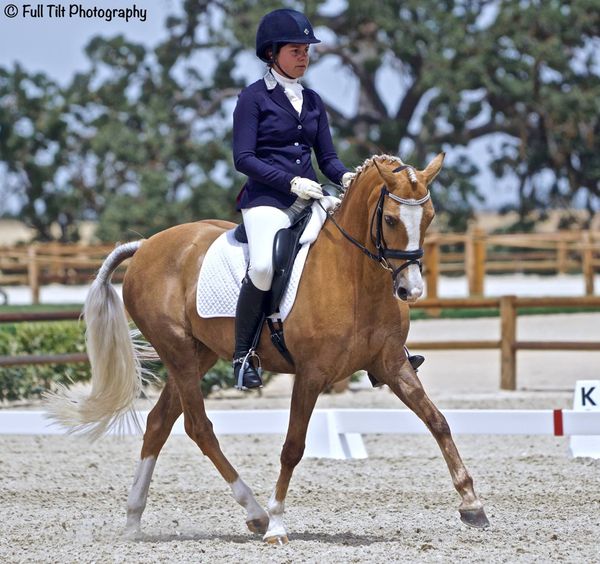
Tension in the horse's back is very paralyzing to the rest of its body, inhibiting the hind legs from coming underneath to balance itself. It can cause back soreness, spooky, and disobedient behavior. Let's talk about how to tell if your horse is tense in the back and what you can do about it.
Lesley's Corner
Lateral suppleness is the horse's ability to bend easily from side to side. Few horses are naturally ambidextrous, so a major goal of dressage is to make the horse more even on both sides & truly straight. Here are specific exercises to improve lateral suppleness, from most basic to most difficult!
Lesley's Corner
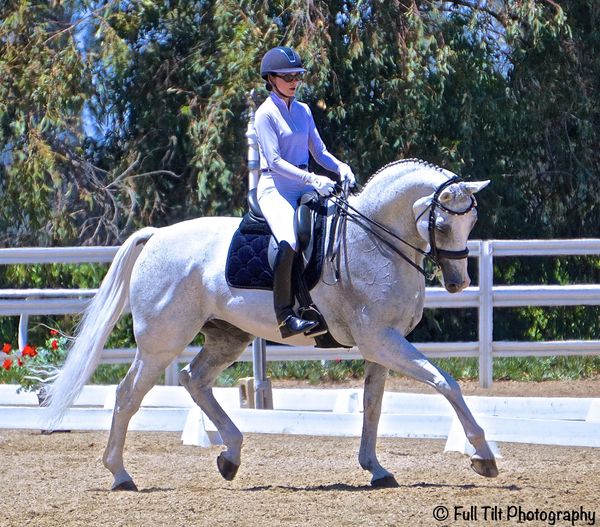
The hot or anxious type of horse can be challenging to ride and train, but if patiently handled, they can be the very best competitors! This exercise will help you get better results with your nervous horse. And it’s so simple, you’ll wonder why you haven’t been using it!
Lesley's Corner
Lesley's Corner
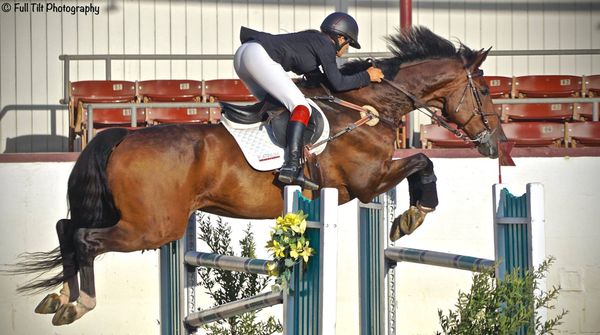
With a little planning and forethought, you CAN make related distances work for you. You just have to focus on these key points!
Lesley's Corner
Your horse will never truly be in self carriage if you give constant aids. Train him to take responsibility to maintain the gait or movement with minimal input from you. It must become a state of mind, so that he truly understands this responsibility. Learn how to teach this here!

Lesley's Corner
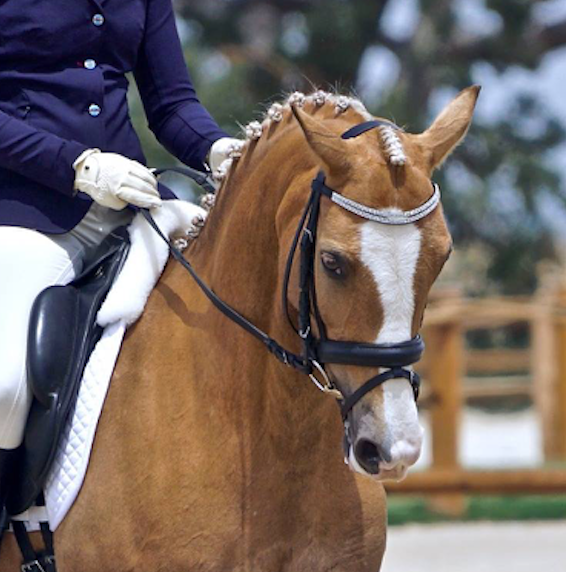
One of the most common problems riders face when turning is losing control of the horse's outside shoulder. This exercise is a great way to get more control over that outside shoulder to help make more accurate turns - which will help you come out of the turns straight and in better balance.
Lesley's Corner
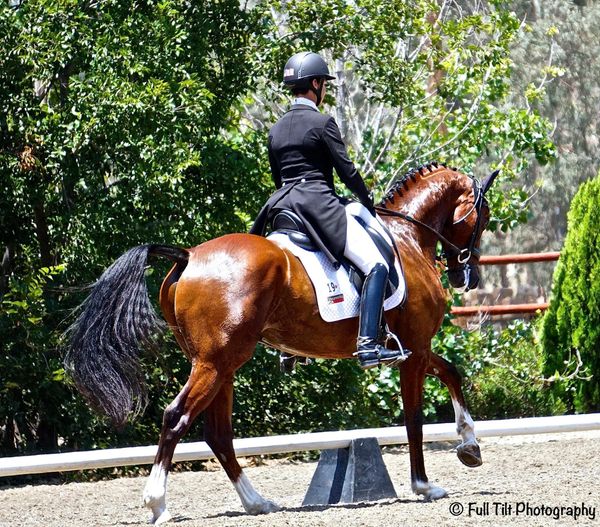
Did you know that there are 3 related but distinctly different ways of controlling your horse's shoulders?? Many riders are in the habit of using only one of these 3 methods. So they continue to struggle to accurately control their horse's shoulders in turns, circles, and lateral work.
Lesley's Corner
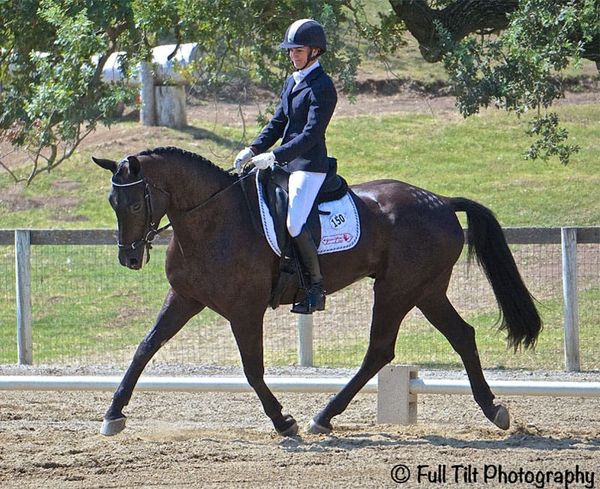
Counter canter is simply one of the most beneficial exercises you can do for your horse! In addition to building strength, improving balance, & increasing hind leg engagement, it also improves the horse's ability to be straight in the canter. Which will improve all of your canter work.
Lesley's Corner
This is a great exercise to break through the tension or stiffness in this area, and improve the level of throughness over your horse's entire topline, and the overall quality of your connection. You will see an improvement in ALL of your scores when your horse moves more through their topline!