Get your FREE daily tip here!
Tip/Quote of the Day # 4260
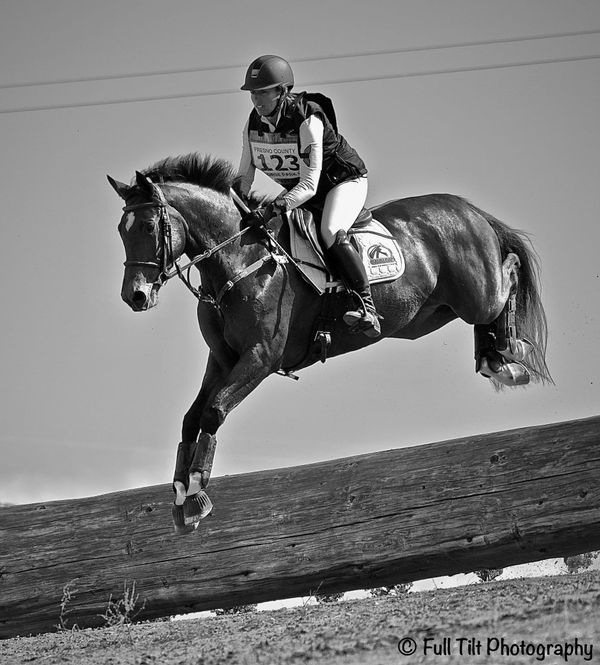
If there is a jump on your cross country course that you don't particularly like, you certainly don't want to have to face it twice! So ride it like you are mad at it, and "get 'er done"!

Get your FREE daily tip here!
If there is a jump on your cross country course that you don't particularly like, you certainly don't want to have to face it twice! So ride it like you are mad at it, and "get 'er done"!
Lesley's Corner
One thing that every cross country course has in common, no matter what the level, is that the first jump on course will be negotiated from at least somewhat of a standing start. And you have to be able to do it WELL, if you want to have a good first jump! Every rider should be working on this!
Get your FREE daily tip here!
The majority of amateur riders who think they have no natural talent may not be as quite as well taught as they think they are. In other words, if you are not improving as a rider, you may want to think about trying another instructor.
Get your FREE daily tip here!
When jumping, the horse's bascule is what allows him to more easily get his body up higher in the air.
Get your FREE daily tip here!
When you have a problem in your jumping, 9 times out of 10 what you really have is a problem with the quality of your canter.
Get your FREE daily tip here!
Whenever you are nervous about something during your ride, make a very clear plan of what you are about to do in your mind. Then put your focus on the execution of that plan to override your nerves.
Get your FREE daily tip here!
The quality of your walk to halt transitions will tell a lot about the quality of all of your work.
Get your FREE daily tip here!
When you are looking down you will have even more of a tendency to ride from your hands. Looking up will help to remind you to ride from your seat.
Get your FREE daily tip here!
It can be a clever time to work on the beginning of a piaffe, or "half steps", when you are out hacking and your horse gets a bit excited and "prancy." Take advantage of the moment, to ask them (and allow them) to do what they
Get your FREE daily tip here!
Always strive to keep the feeling that two thirds of the horse is in front of you. This means staying behind your horse's shoulders, and allowing the horse to have as long of a neck as possible. This allows the rider to have a greater amount of security,
Lesley's Corner
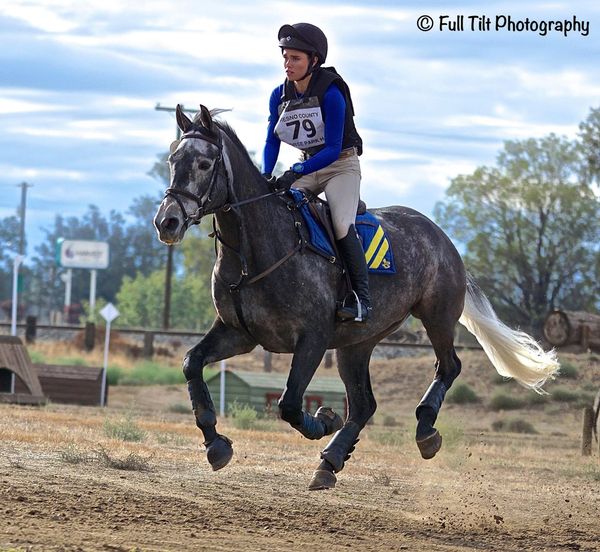
Training for self carriage at the gallop is vital for safety and soundness. Without it, horses become heavy on the forehand, lose responsiveness, and risk injury or falls. Learn how to achieve true harmony and better balance on cross country here!
Get your FREE daily tip here!
Horses that tend to rush or hurry often do best when ridden at a slower than ideal pace until they are rhythmical and relaxed, and are no longer trying to hurry.