Get your FREE daily tip here!
Tip/Quote of the Day # 4633
The fastest cross-country horses are not necessarily the fastest horses in general, but the ones that are the easiest to set up for the jumps. So work on your horse's adjustability.

Get your FREE daily tip here!
The fastest cross-country horses are not necessarily the fastest horses in general, but the ones that are the easiest to set up for the jumps. So work on your horse's adjustability.
Lesley's Corner
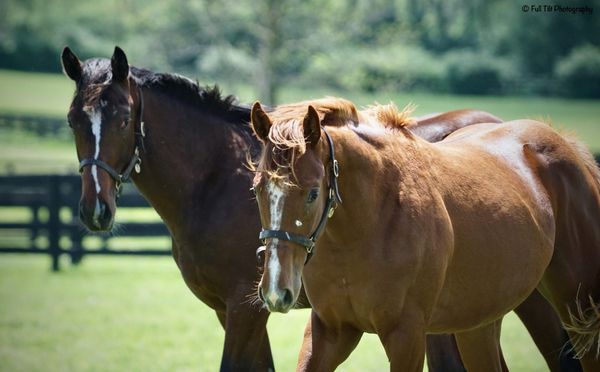
Horses become incapable of learning when they go past a certain level of fear, anxiety, or stress. This means that if you keep hammering away at the horse, trying to teach them something when they are currently overwhelmed with stress, it will not work.
Get your FREE daily tip here!
Every well ridden corner is a suppling exercise, and should be recognized as such.
Get your FREE daily tip here!
A tip for all of the instructors out there... When a student has a lightbulb moment during a riding lesson, ask them to explain it you in their own words. This way it becomes even more cemented in their own mind, and you can more easily help them find it
Lesley's Corner
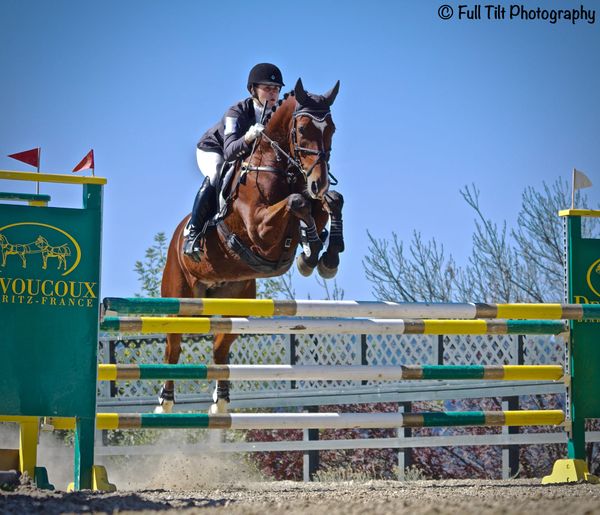
To get the very best out of every horse when show jumping, riders need to really think about the specific way that each individual horse needs and wants to be ridden between the fences. Let me help you to figure out what kind of horse you have!
Get your FREE daily tip here!
Always think about the depth of the water when deciding how fast to approach and negotiate a water obstacle. Riding too fast in deep water can easily cause the horse to lose his balance or even fall.
Lesley's Corner
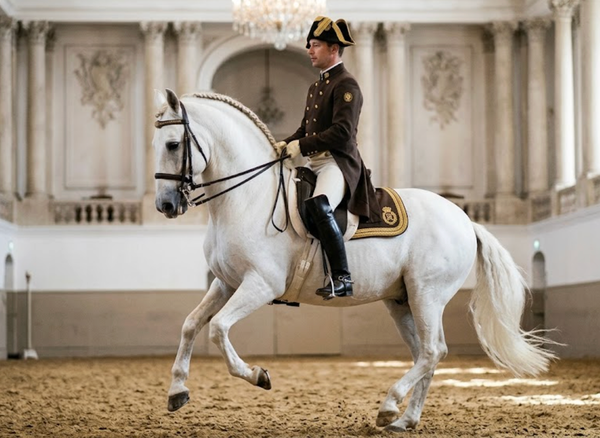
This great exercise, direct from the Spanish Riding School, will increase the collection in your horse's canter. It will also improve your counter canter work, and is a great way to build towards canter pirouettes. Get ready for better scores in your horse's canter work!
Get your FREE daily tip here!
"Suppleness means that the muscles contract and de-contract, and this has to go through the entire horse, it cannot be blocked in the middle of the back, and it also has to go through the rider." ~ Susanne Miesner
Get your FREE daily tip here!
Try this little experiment: Spend some time doing a turn on the forehand in hand (on the ground), so you can really watch what happens to your horse's body when he steps underneath himself with his inside hind leg. While he may remain hollow at first in tension,
Lesley's Corner
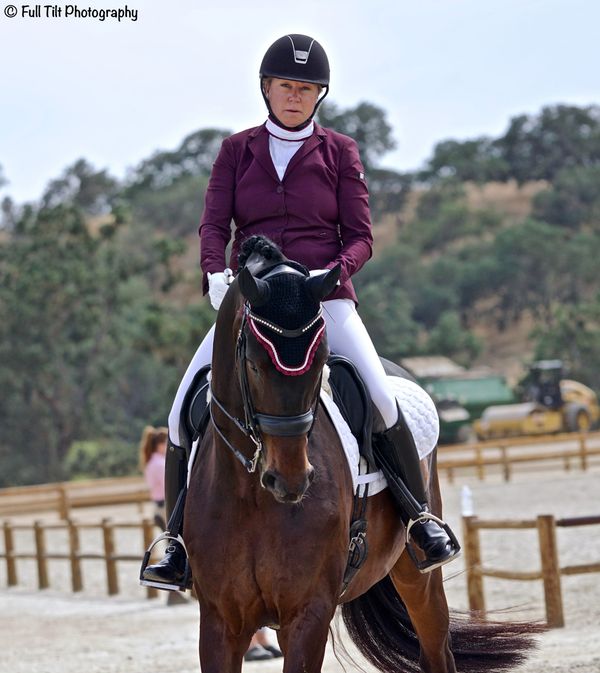
Every single Dressage test requires the rider to change the horse's bend from one side to the other. With some tests having as many as 20 different opportunities to show the judge how good you are at changing your horse's bend. Or maybe how not so good you are at it!
Get your FREE daily tip here!
If you don't give your horse something to do, he might give YOU something to do. Always have a plan for each ride, and keep your horse's mind engaged with YOUR plan.
Lesley's Corner
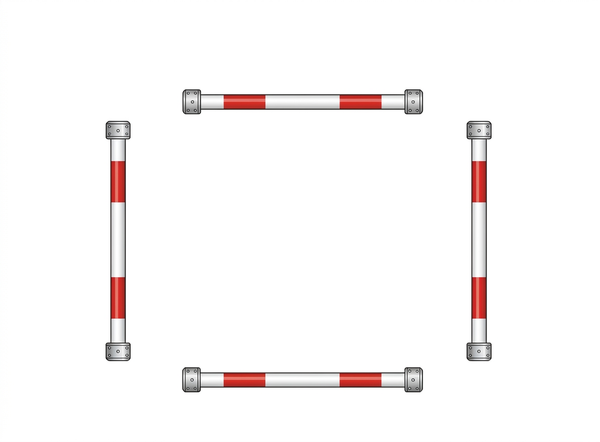
This clever exercise will ensure that your horse is listening precisely to the lightest of your turning aids. It will also teach you how to ride truly accurate figures, and by doing so will naturally improve the balance and carriage of your horse's gaits.