Lesley's Corner
Interval Training For Conditioning the Event Horse
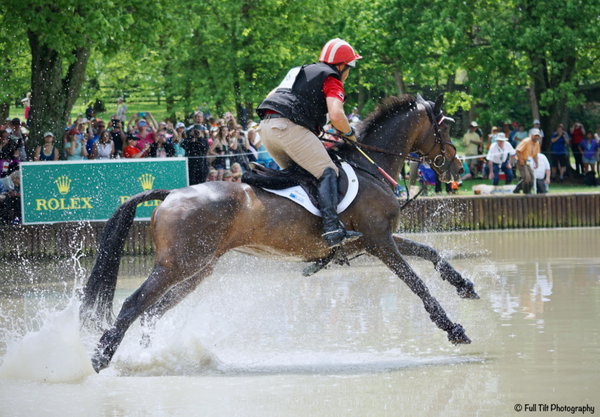
In the sport of Eventing, ensuring that our horses are truly fit for our level of competition is one of the best ways to prevent unnecessary injuries.

Lesley's Corner
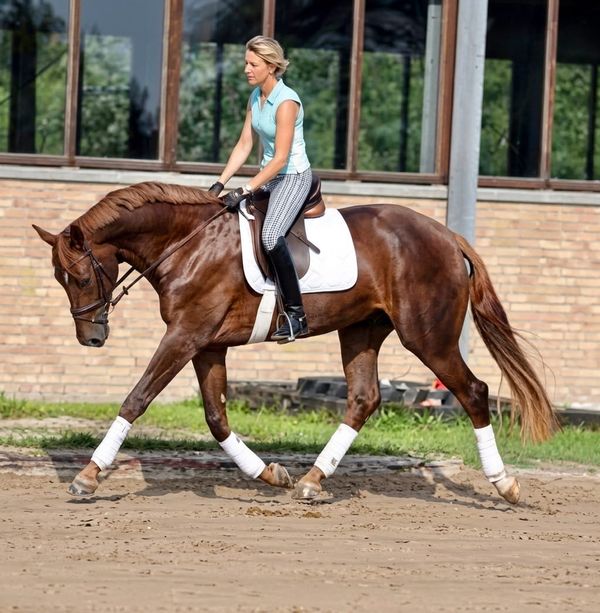
Learn about the ONE very basic exercise that the all of the riders had to do at the USET training sessions down in Ocala, that proved to be very challenging!
Lesley's Corner
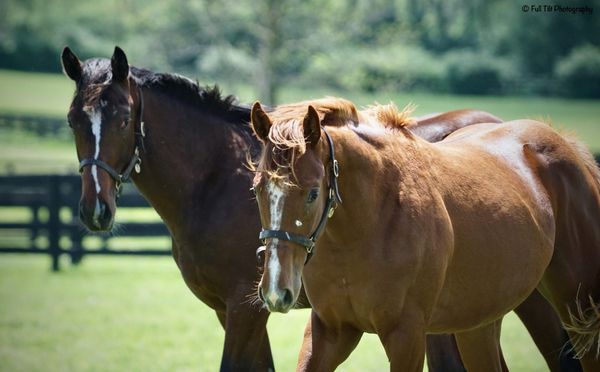
Horses become incapable of learning when they go past a certain level of fear, anxiety, or stress. This means that if you keep hammering away at the horse, trying to teach them something when they are currently overwhelmed with stress, it will not work.
Lesley's Corner
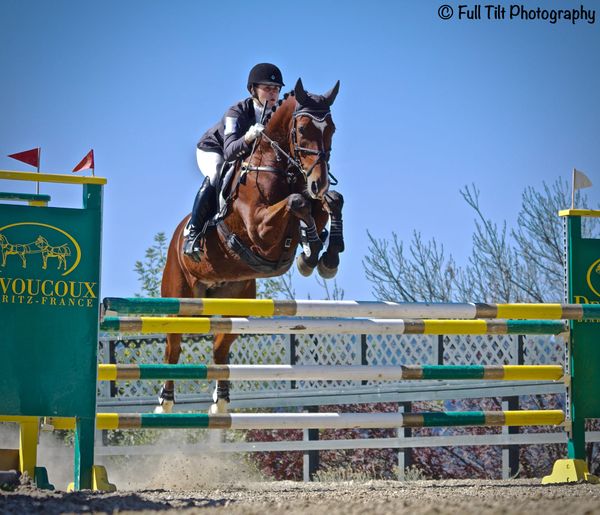
To get the very best out of every horse when show jumping, riders need to really think about the specific way that each individual horse needs and wants to be ridden between the fences. Let me help you to figure out what kind of horse you have!
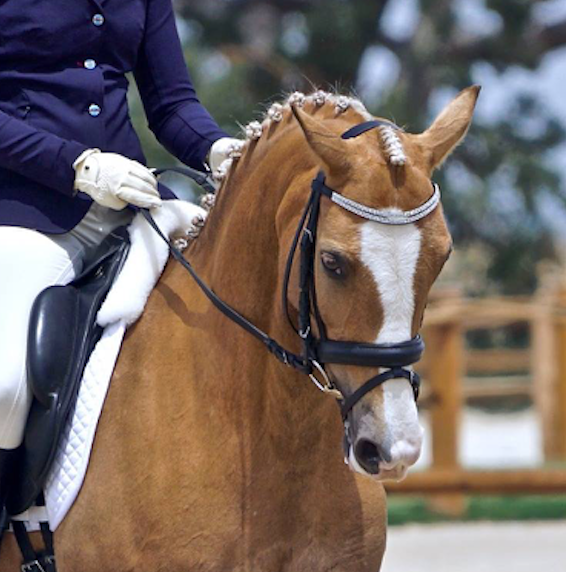
Did you know that there are 3 related but distinctly different ways of controlling your horse's shoulders?? Many riders are in the habit of using only one of these 3 methods. So they continue to struggle to accurately control their horse's shoulders in turns, circles, and lateral work.
You look to be a very solid rider, with a strong seat and leg. At times you look to be quite tense in your shoulders. Which is likely caused by the fact that your head and neck tends to jut forward, well ahead of your spine. Look at this drawing:
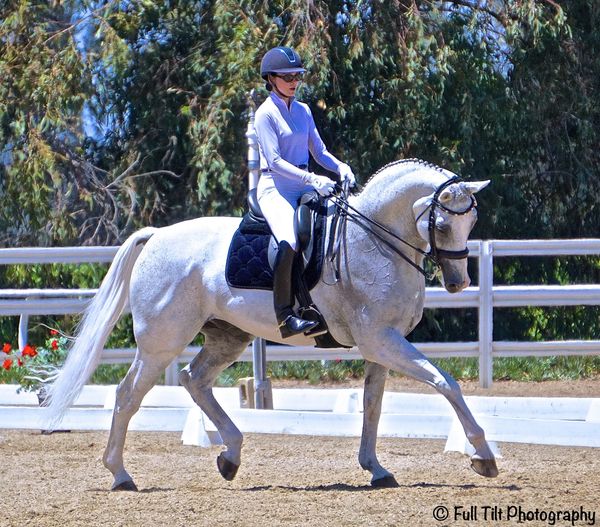
No matter what riding style or discipline you choose, you should be able to prove the solidity of your basic foundation by passing this simple test. And rather shockingly, there are many horses and riders at all levels would NOT pass this test!
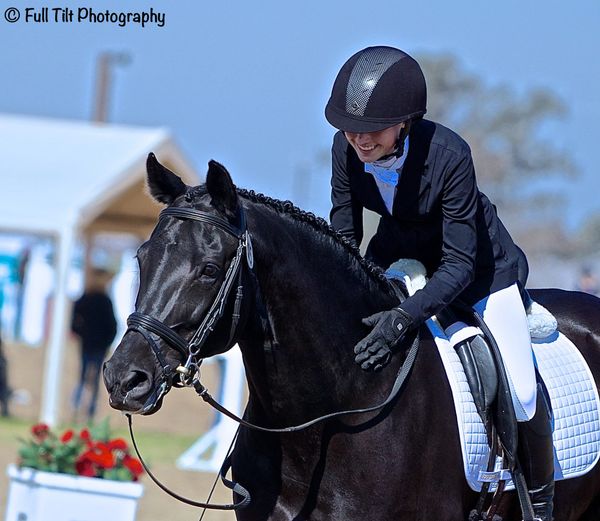
It is no secret that horses (like people) perform better if they enjoy their job. If you want your horse to enjoy his work, you must consciously make an effort to make it enjoyable. Here are 12 things to think about, to help ensure your horse is truly happy in his work!
Expert Coaching and Guidance for You and Your Horse!
"As a result of the appropriate gymnastics and training of the horse, the appearance and the movements of the horse will be more beautiful." ~ Colonel Alois Podhajsky And if it's not, there is probably something wrong with the training methods!
"I am so surprised/shocked that almost every time I ask even an advanced rider to ride without stirrups they moan or make a face. A serious rider should prefer riding without stirrups. I even have riders who have never ever ridden without stirrups. Come on teachers, let'
In the sport of Eventing, ensuring that our horses are truly fit for our level of competition is one of the best ways to prevent unnecessary injuries.
Make sure you understand the difference between energy and stored energy - it is the difference between speed and impulsion.
We want our horses to be confident to step up into our rein connection, yet not try to push through it.
Learn about the ONE very basic exercise that the all of the riders had to do at the USET training sessions down in Ocala, that proved to be very challenging!
Think of riding your horse’s outside hind leg actively through the turns to your jumps, to keep that canter well engaged behind. The outside hind leg is the beginning of each canter stride. Engage that hind leg, and you will engage the entire hindquarters.
The fastest cross-country horses are not necessarily the fastest horses in general, but the ones that are the easiest to set up for the jumps. So work on your horse's adjustability.
Horses become incapable of learning when they go past a certain level of fear, anxiety, or stress. This means that if you keep hammering away at the horse, trying to teach them something when they are currently overwhelmed with stress, it will not work.
Every well ridden corner is a suppling exercise, and should be recognized as such.
A tip for all of the instructors out there... When a student has a lightbulb moment during a riding lesson, ask them to explain it you in their own words. This way it becomes even more cemented in their own mind, and you can more easily help them find it
To get the very best out of every horse when show jumping, riders need to really think about the specific way that each individual horse needs and wants to be ridden between the fences. Let me help you to figure out what kind of horse you have!